

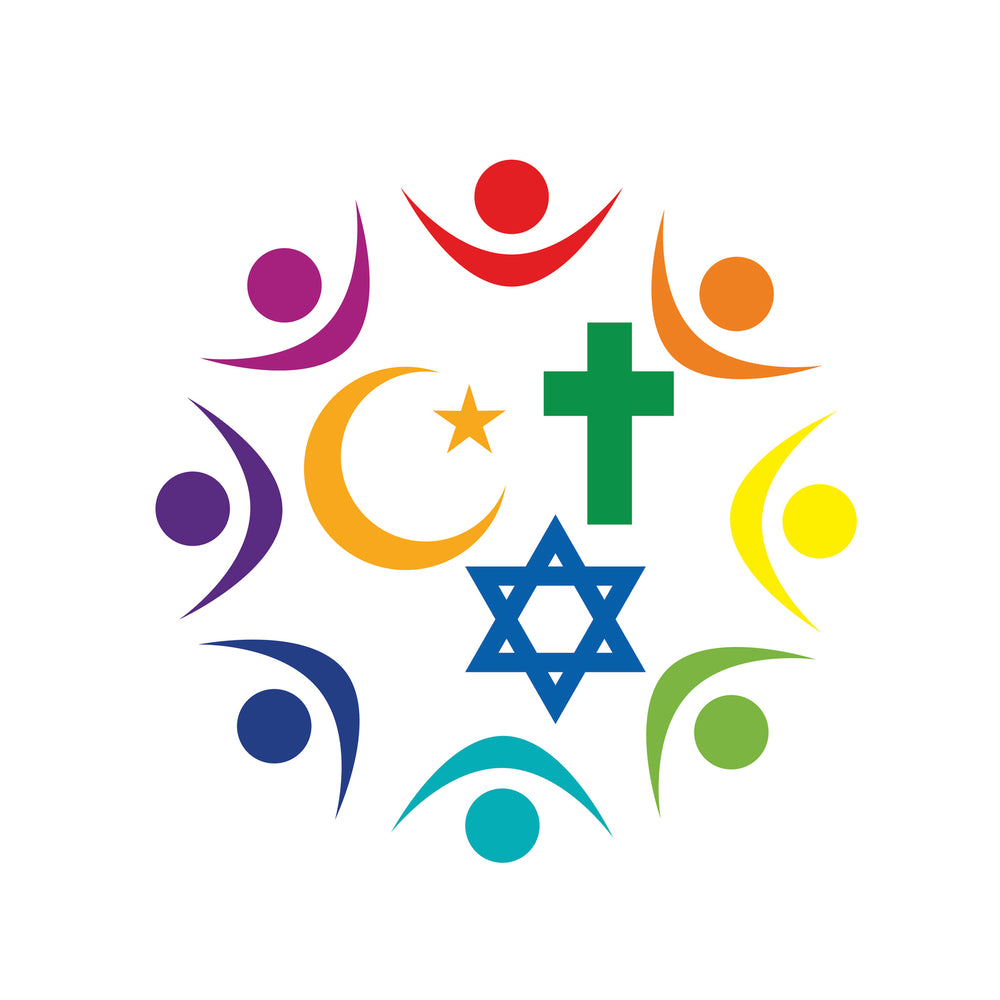
Did the Bible, Torah, and Qur’an Foreshadow A.I.?
Did the Bible, Torah, and Qur’an Foreshadow A.I.?
Baby Boomers have lived through more revolutions than any generation in human history. You watched the world leap from black‑and‑white TV to smartphones, from handwritten letters to instant global messaging, from the first home computers to machines that now write poetry. But nothing — absolutely nothing — compares to the rise of artificial intelligence. And here’s the audacious question: Did the world’s great scriptures see this coming?
Not literally. You won’t find “algorithms,” “neural networks,” or “chatbots” in ancient texts. But Christianity, Judaism, and Islam all contain prophetic themes that echo today’s A.I.‑driven world with uncanny clarity. They describe eras of exploding knowledge, lifelike images, global systems of influence, and unprecedented deception — conditions that align perfectly with the technological moment we’re living in.

So pour your coffee, settle into your favorite chair, and let’s explore how three faith traditions may have foreshadowed the age of artificial intelligence.
Knowledge Will Explode: Daniel, the Qur’an, and Jewish Wisdom
Daniel 12:4 declares that “knowledge shall increase.” The Qur’an opens with the command to read — to seek knowledge as a sacred act. Jewish tradition teaches that wisdom is the light that reveals God’s order in creation.
Together, these texts describe a future where human understanding expands beyond imagination. Today, A.I. is the engine of that expansion. Machine learning systems absorb oceans of data, analyze patterns, and generate insights faster than any human mind could dream of.
Boomers watched knowledge move from libraries to microchips to smartphones. Now it’s moving into something stranger: synthetic minds that learn, adapt, and create. Daniel didn’t predict A.I. — but he predicted the conditions that make A.I. inevitable.

Images That Speak: Revelation, the Golden Calf, and Islamic Warnings Against Idols
Revelation 13:15 describes an “image” given breath and voice. The Torah warns against the Golden Calf — humanity’s impulse to worship its own creations. Islam cautions against idolatry of form, reminding believers that only God gives true life.
Today, we build digital beings that speak, persuade, and even mimic emotion. These “images” aren’t divine — they’re reflections of us. The ancient warnings ring louder than ever: don’t confuse creation with Creator.
A.I. avatars, humanoid robots, synthetic influencers, and deepfake personalities are modern echoes of those ancient concerns. The prophets weren’t predicting code — they were predicting humanity’s tendency to give its creations too much power.

Global Systems of Control: Interfaith Ethics in a Digital Age
Revelation’s “mark of the beast,” the Torah’s call for justice, and the Qur’an’s insistence on accountability all converge on one truth: technology must serve humanity, not enslave it.
A.I. now governs banking, medicine, communication, and security. It can heal or harm, liberate or surveil. The moral question isn’t whether A.I. exists — it’s who controls it and for what purpose.
Christian, Jewish, and Muslim ethics all insist on responsible stewardship. A.I. demands that same discipline.
Deception and Discernment: Shared Prophetic Warnings
Christian scripture warns of “strong delusion.” Jewish wisdom literature cautions against false prophets. Islamic eschatology speaks of Dajjal, the deceiver who distorts truth.
Deepfakes, misinformation, and algorithmic manipulation are modern echoes of those ancient fears. A.I. can manufacture lies with surgical precision. Truth itself is now contested territory.
The prophets weren’t predicting machines — they were predicting confusion, and urging discernment. Today, spiritual literacy and digital literacy are inseparable.

Creation as Divine Partnership: A Shared Mandate
Genesis gives humanity dominion. The Qur’an calls humans khalifah — stewards of creation. Jewish mysticism teaches tikkun olam — repairing the world.
A.I. can be part of that repair: curing disease, translating sacred texts, feeding the hungry, connecting isolated communities. Used wisely, it fulfills the divine mandate to create responsibly.
Boomers helped build the world that made A.I. possible — the computers, networks, satellites, and digital revolution. A.I. is the next chapter in that story.
Where A.I. Stands Today: Beyond Anything the Ancients Could Imagine
A.I. is humanity’s second brain. It writes poetry, diagnoses illness, predicts storms, generates art, and analyzes billions of data points in seconds. It mirrors our brilliance and our flaws.
But it also opens doors the prophets could scarcely imagine:
- synthetic consciousness
- digital immortality
- autonomous decision-making
- neural interfaces
- hybrid intelligence
- entire worlds generated from code
We are entering an era where the line between natural and artificial blurs — where humanity may create minds that think, learn, and perhaps one day question their own existence.
This is the kind of future prophecy gestures toward but cannot fully describe.
The Interfaith Future of A.I.
Christianity, Judaism, and Islam each teach that wisdom must be guided by humility. A.I. challenges us to remember that intelligence without compassion is chaos.
The prophets didn’t predict computers — they predicted a world where humanity’s creations would demand moral reckoning.
A.I. isn’t the fulfillment of prophecy. It’s the stage where prophecy feels newly alive.

Final Sip: Faith Meets the Future
Whether you pray in a church, synagogue, or mosque, the message is the same:
- Knowledge is sacred.
- Creation is responsibility.
- Wisdom is the true intelligence.
A.I. is not something to fear — it’s something to understand, question, and steward. And maybe — just maybe — the divine plan always included the moment when humanity would teach its own creations to think, and then be reminded to feel.


Leave a comment