

Easter: A Celebration of Renewal, Resurrection, and the One God Who Unites Us
by Darrell Griffin, president of PureAudacity
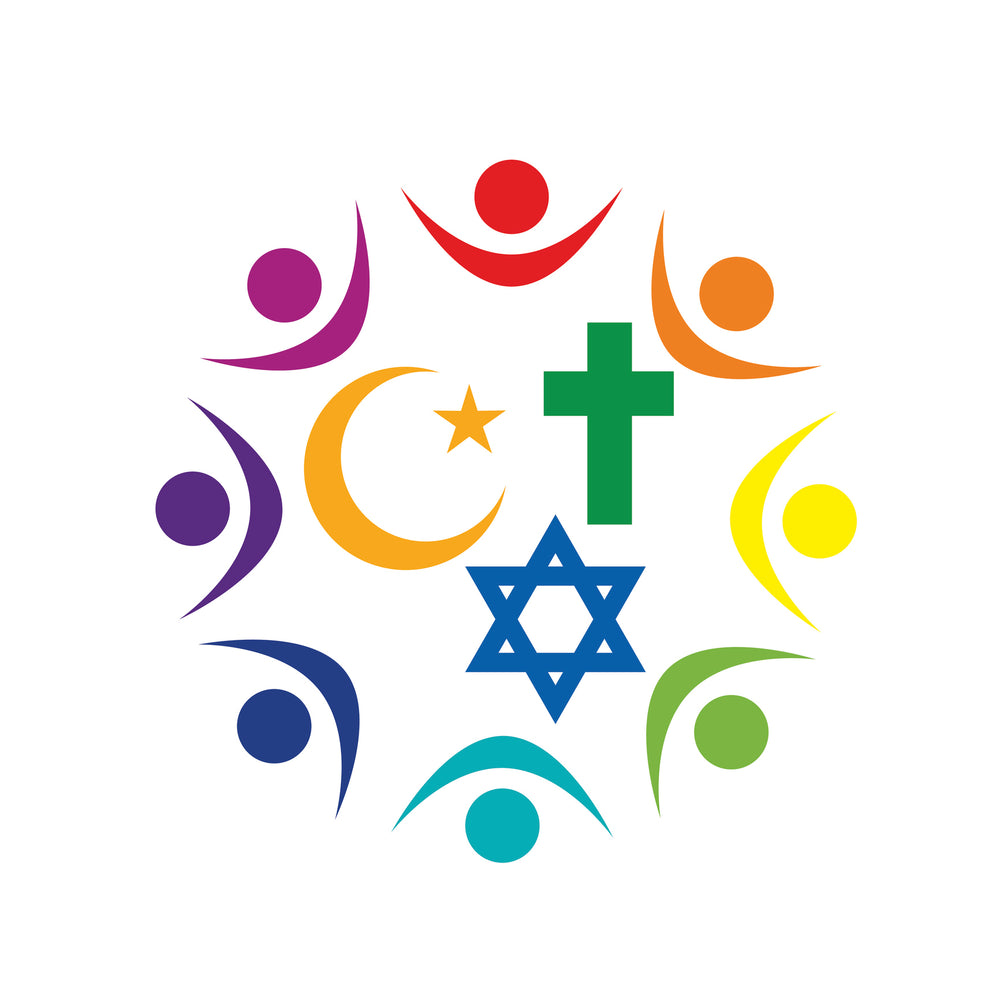
Easter arrives each spring like a quiet miracle—soft light breaking through winter’s last chill, flowers pushing through the soil, and a sense of renewal settling over the world. For Christians, Easter is the holiest day of the year, the celebration of Jesus Christ’s resurrection and the triumph of life over death. But Easter’s message reaches far beyond a single tradition. It echoes across cultures, across centuries, and across faiths that share a belief in one God and the hope of spiritual rebirth.
In a world often divided by doctrine, Easter invites us to look deeper—to see the shared longing for renewal, liberation, and divine connection that unites humanity.

Why We Celebrate Easter
At its core, Easter commemorates the resurrection of Jesus Christ three days after His crucifixion. For Christians, this moment is the foundation of faith—the divine promise that death does not have the final word, that love is stronger than darkness, and that renewal is always possible.
Easter is the culmination of the Passion of Christ and the joyful conclusion of Lent, a 40‑day season of reflection, sacrifice, and spiritual preparation. It is a celebration of:
• Hope after despair
• Light after darkness
• Life after loss
• Love that endures beyond suffering
But Easter is more than a religious observance. It is a universal story of rebirth—one that resonates with anyone who has ever needed a second chance, a fresh start, or a reminder that dawn always follows night.

A Brief History of Easter
Easter’s origins weave together threads from Judaism, early Christianity, and ancient spring traditions.
Jewish Roots
Easter is intimately connected to Passover, the Jewish festival celebrating the Israelites’ liberation from Egypt. Jesus’ Last Supper was a Passover meal, linking the two holidays through themes of deliverance, covenant, and divine faithfulness.

Early Christian Tradition
By the 2nd century, Christians were formally commemorating the resurrection. In 325 CE, the Council of Nicaea established Easter’s timing as the first Sunday after the first full moon following the spring equinox—a date that shifts each year.
Springtime Symbolism
The English word Easter may derive from Eostre, an Anglo‑Saxon goddess of spring. Many Easter customs—flowers, eggs, rabbits—reflect ancient celebrations of nature’s rebirth after winter.

Over time, these traditions blended into the Easter we know today: a fusion of faith, culture, and the timeless human longing for renewal.
Easter Bunnies and Colored Eggs: Where the Traditions Come From
No Easter celebration feels complete without pastel eggs, chocolate bunnies, and children racing across lawns in search of hidden treasures. These traditions didn’t originate in Scripture—they grew from a blend of ancient symbolism, European folklore, and Christian adaptation.
Eggs: Symbols of New Life
Across cultures, eggs have long represented life and rebirth. Christians embraced the egg as a symbol of the resurrection:
• The shell symbolizes the sealed tomb.
• The cracked egg represents Christ rising from the dead.
Dyeing eggs began in early Christian communities, with red eggs symbolizing the blood of Christ. Over centuries, the practice evolved into the colorful, joyful tradition we know today.
The Easter Bunny: A Visitor From Folklore
The Easter Bunny comes from German folklore. In the 1600s, children believed a magical hare visited homes in spring, laying colorful eggs for well‑behaved kids. German immigrants brought the tradition to America in the 1700s, where it quickly became part of Easter celebrations.
Today, eggs and bunnies add delight and playfulness to a holiday rooted in profound spiritual truth.

Easter Traditions Around the World — A Narrative Overview
Across the globe, Easter is celebrated with a beautiful diversity of customs:
In the United States, families gather for sunrise services, Easter egg hunts, and festive meals. The day blends faith, family, and the joy of spring.
In the United Kingdom, people enjoy hot cross buns—spiced sweet rolls marked with a cross—and take part in egg‑rolling contests that symbolize the stone rolling away from Jesus’ tomb.
In Italy, cities come alive with elaborate processions. Florence’s famous “Explosion of the Cart” fills the streets with fireworks, symbolizing light overcoming darkness.
egg‑rolling contest
In Greece, midnight church services culminate in fireworks and the cracking of red eggs, celebrating Christ’s victory over death.

In the Philippines, the “Salubong” reenacts the meeting of the risen Christ and His mother Mary at dawn, blending devotion with community celebration.

In Latin America, Passion plays and processions bring the story of Holy Week to life, uniting entire towns in remembrance and hope.

Though the expressions differ, the heart of the celebration remains the same: renewal, resurrection, and divine love.
Similar Holidays in Other Faiths
Easter’s themes—rebirth, renewal, liberation, and light—appear across world religions.
Judaism: Passover
Passover celebrates freedom from slavery and God’s saving power. Its themes of liberation and covenant closely mirror Easter’s message of deliverance and new beginnings.
Islam: Eid al‑Fitr
Eid al‑Fitr marks the end of Ramadan, a month of fasting and spiritual renewal. Like Easter, it celebrates gratitude, forgiveness, and the joy of spiritual rebirth.
Hinduism: Holi
Holi, the Festival of Colors, celebrates the triumph of good over evil and the arrival of spring. Its exuberant joy echoes Easter’s celebration of life and renewal.
Buddhism: Vesak
Vesak honors the birth, enlightenment, and death of the Buddha. It is a celebration of spiritual awakening and compassion—parallels to Easter’s message of transformation.
Bahá’í Faith: Naw‑Rúz
Naw‑Rúz, the Bahá’í New Year, celebrates unity, renewal, and the spiritual freshness of spring.
Across traditions, humanity expresses the same longing: to be renewed, to be liberated, to be connected to the divine.
A Closing Reflection
Easter tells the story of a God who brings life out of death, hope out of despair, and unity out of division. Its message is timeless, borderless, and profoundly human.
It reminds us that:
• Renewal is always possible.
• Light always returns.
• Love, expressed differently, is still love.
• And the God who created us calls us toward unity, compassion, and hope.
Easter is more than a date on the calendar. It is a living story—one that continues to rise in the human heart, year after year, like the sun on Easter morning.


Leave a comment